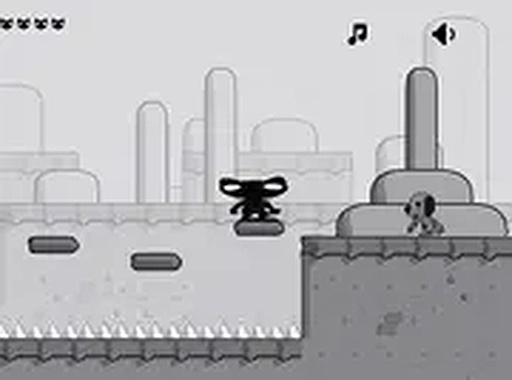
Pixel Enigma: The Corrupted Disk
Reviews
Pixel Enigma: The Corrupted Disk stands out for its creative use of digital artifacts as both a visual style and a gameplay mechanic. The puzzles are well-integrated into the environment, making each solution feel like a natural discovery rather than a arbitrary task. The atmosphere is calm and curious, avoiding the tension common in mystery games. While short, the experience is polished and leaves a positive impression. It is an excellent choice for families or anyone looking for a relaxed puzzle session.
About This Game
Core Concept & Premise
The story begins with an unexpected find: an old storage disk and a handwritten note. This discovery leads players into a series of rooms and scenes where the visuals appear corrupted. The narrative unfolds through environmental storytelling, with each solved puzzle revealing more about the disk's origin and the message it carries. There are no complex dialogues or cutscenes; the plot is conveyed through subtle changes in the surroundings and the occasional text fragment.
Interaction & Controls
Players interact with the game world using simple point-and-click mechanics. On a computer, this means using the mouse cursor to examine objects, open containers, or activate switches. On touch-enabled devices, tapping the screen performs the same actions. The interface is minimal, keeping the focus on the visual anomalies and the puzzles they create. There is no time pressure or fail state, allowing players to experiment freely.
Visual Design & Atmosphere
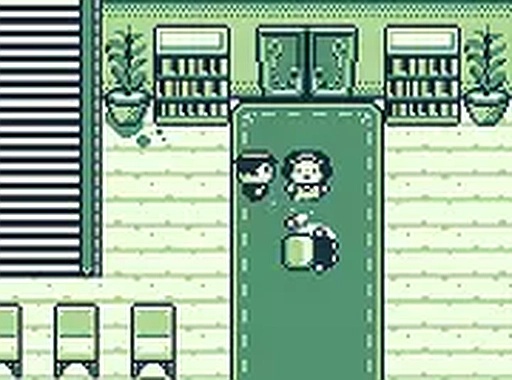
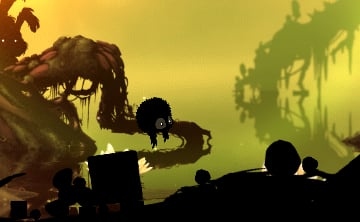
The art style deliberately incorporates digital artifacts like screen tearing, color shifts, and pixelation. These effects are not meant to be frightening but instead create a curious, dreamlike quality. The color palette shifts between muted grays and sudden bursts of neon, guiding attention to important interactive elements. The sound design is sparse, using occasional static bursts or soft electronic tones to emphasize discoveries.
Puzzle Structure & Difficulty
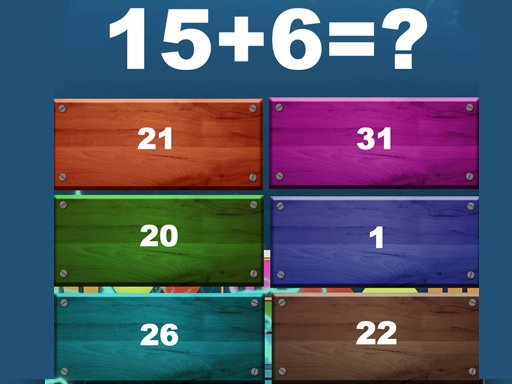
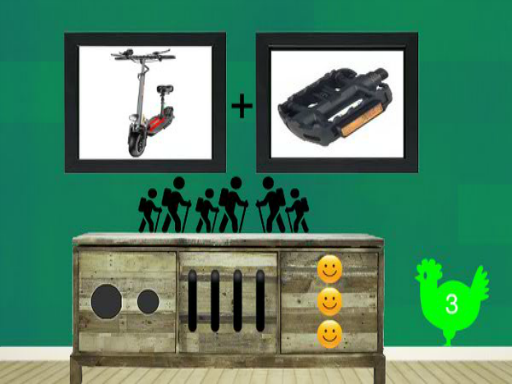
Challenges are built around pattern recognition and spatial awareness. For example, a player might need to rearrange scrambled image tiles or identify the correct sequence of flashing lights. The difficulty remains gentle throughout, with no need for outside knowledge or quick reflexes. Each puzzle is self-contained, and the game provides subtle hints through the environment itself, such as a change in background noise or a flickering object.
Session Length & Replay Value
The experience is designed to be completed in a single sitting, typically lasting between 30 and 60 minutes. There are no branching paths or multiple endings, but the act of piecing together the story from scattered clues encourages a second playthrough to catch missed details. The game saves progress automatically, so returning to an unfinished session is straightforward.
Compatibility
System Requirements





























Comments
0 comments