Tile Picture Challenge
Reviews
Tile Picture Challenge offers a straightforward yet satisfying puzzle experience. The sliding tile mechanism is easy to learn but requires thoughtful strategy to solve efficiently. The familiar character artwork adds charm without distracting from the core gameplay. Controls respond well on both mouse and touch devices, and the lack of timers keeps the mood relaxed. For anyone seeking a quiet mental exercise that can be played in short bursts or longer sessions, this puzzle delivers consistent enjoyment.
About This Game
Core Puzzle Action
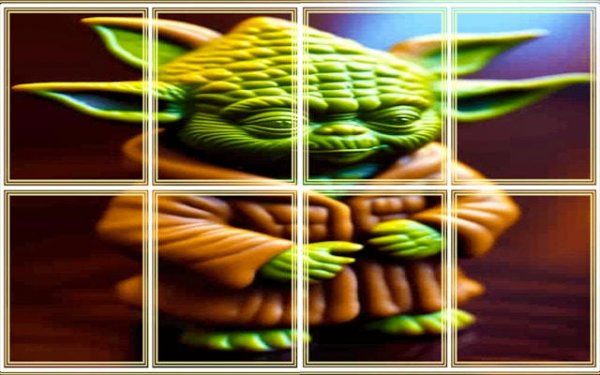
The main activity involves a grid of movable squares, each holding a portion of a larger image. One space remains empty, allowing adjacent tiles to shift into that gap. Every click or tap changes the layout, requiring players to think several moves ahead. The goal is to slide pieces until the full picture appears, with each correct placement bringing the scene closer to completion. This straightforward mechanism creates a satisfying loop of trial, adjustment, and eventual success.
Visual Theme and Appeal
The puzzle features a well-known character from popular media, adding a layer of familiarity that enhances the experience. Seeing the image gradually come together provides a sense of accomplishment, especially for fans of the source material. The artwork is clean and colorful, making each completed puzzle a small reward in itself. This thematic connection keeps the activity feeling fresh even after multiple plays.
Accessible Design for All Ages
Controls are simple enough for young children to understand, yet the puzzles offer enough depth to engage adults. There are no timers or scoring systems that create pressure, allowing each person to work at their own speed. This makes the game suitable for quick breaks during a busy day or longer sessions when more time is available. The browser-based format means no downloads or installations are required, so starting a new puzzle takes only seconds.
Strategic Approaches and Skill Development
While the basic action is easy to learn, mastering the puzzle requires planning and patience. Many players find it helpful to focus on one section at a time, gradually expanding their work area. Moving tiles in a logical sequence rather than randomly reduces the chance of getting stuck. Regular play can improve spatial reasoning and the ability to visualize multiple steps ahead, skills that apply to many real-world situations. The absence of time constraints encourages thoughtful decision-making rather than rushed guesses.
Variety and Replay Value
The game may include multiple difficulty settings or different image variations, giving players reasons to return. Each new configuration presents a unique arrangement of tiles, so no two sessions feel exactly the same. This variety helps maintain interest over time, as the core challenge remains engaging while the specifics change. For those who enjoy improving their performance, tracking completion times or number of moves can add a personal goal without external pressure.
Compatibility
System Requirements

Comments
0 comments