
Festival Tile Slide Puzzle
Reviews
Festival Tile Slide Puzzle takes a classic sliding tile mechanic and wraps it in bright, inviting carnival imagery. The lack of timers or scoring pressure makes it ideal for unwinding while still exercising spatial reasoning. The gradual difficulty increase keeps experienced solvers engaged without overwhelming newcomers. Controls are responsive on both desktop and mobile browsers, and the family-friendly artwork ensures it is safe for all ages. For anyone seeking a straightforward, stress-free logic challenge, this game delivers a polished experience.
About This Game
Core Gameplay Loop
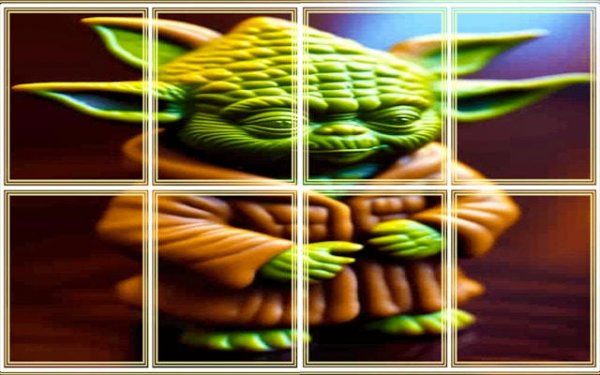
Each round begins with a bright, high-resolution photograph of a festive parade or decorated midway. The image is cut into a square grid of movable tiles, with one slot left empty. Players slide neighboring tiles into that gap, gradually reconstructing the original picture. The mechanic is straightforward but demands careful observation and planning. There are no timers or score penalties, so everyone can proceed at their own comfortable pace.
Visual Theme and Atmosphere
The artwork focuses on cheerful carnival elements: colorful banners, spinning rides, smiling crowds, and twinkling lights. These scenes are chosen to create a positive, stress-free mood. The high level of detail in each photograph means that even small tile misplacements are noticeable, which helps players track their progress and stay motivated. The overall presentation is bright and inviting, suitable for a wide age range.
Difficulty Progression
Puzzles start with smaller grid sizes that can be solved in a few minutes. As players complete more images, the grid expands and the number of tiles increases. This gradual ramp-up allows newcomers to build confidence with the sliding mechanic before tackling more complex arrangements. The game never introduces sudden difficulty spikes, ensuring a steady learning curve that feels rewarding rather than frustrating.
Strategic Approaches
Experienced solvers often develop methods to speed up their solving time. One common technique is to complete the top row first, then work downward row by row. Another approach focuses on finishing the leftmost column before moving inward. Because the empty space is always present, players can plan sequences of moves to shift multiple tiles at once. These strategies turn each puzzle into a small logic exercise that exercises spatial thinking.
Accessibility and Device Support
The game runs entirely in a web browser without any downloads or installations. It responds to touch input on tablets and phones as well as mouse clicks on desktop computers. The interface uses large, clearly labeled buttons and provides visual feedback for each tile movement. This design makes the game usable by younger children and older adults alike, with no need for fast reflexes or prior puzzle experience.
Compatibility
System Requirements
Comments
0 comments