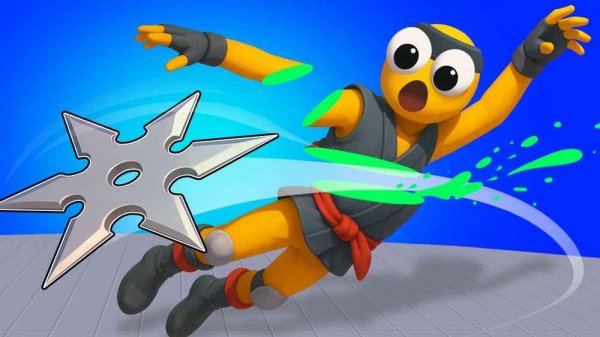
Swipe Blade Arcade Action
Reviews
Swipe Blade Arcade Action keeps its scope tight: one gesture, moving platforms, and waves of opponents. The swipe-length mechanic gives every throw a real decision, since bigger blades clear more enemies but take longer to prepare. Shifting platforms and new opponent patterns prevent repetition. The lack of a story or upgrade system means the appeal rests entirely on improving your timing. Players who enjoy skill-based arcade challenges with short rounds will get the most from it.
About This Game
Core Swipe-to-Throw Mechanic
The defining interaction in Swipe Blade Arcade Action is a single gesture: tap and swipe on the screen to launch a blade. Swipe direction determines where the blade travels, and swipe length controls both blade size and impact. This creates a constant risk-reward decision. A quick flick handles a single opponent, but a longer drag builds a massive blade capable of clearing an entire group. Because opponents approach from different angles, you must aim before committing to the drag, not after.
Moving Platforms and Wave Patterns
Every level takes place on platforms that shift position, so your throwing lanes change while you play. Opponents arrive in waves, and each level introduces new opponent patterns alongside the platform movement. The combination forces you to re-read the screen continuously rather than memorizing a fixed sequence. Avoiding incoming attacks matters as much as landing your own, since the goal is to overcome all opponents in a wave while staying out of harm's way.
Difficulty Curve and Skill Development
The controls are easy to pick up, but the game is described as difficult to master. Early waves give you room to learn how swipe length maps to blade size. Later waves demand faster decisions about when to hold a swipe and when to release early. Practice is the main progression path: the game rewards precision and timing rather than unlocks or upgrades. Sessions are short and intense, so improvement comes from repeated attempts rather than long play sessions.
Visual Style and Session Length
The game uses vibrant 3D visuals and smooth controls, which keep the action readable even when platforms are moving and multiple opponents are on screen. Rounds are designed to fit into short breaks, but the challenge holds up over longer sessions. Because each level presents a new set of opponents, the game stays fresh without relying on a story or campaign structure.
Editorial Notes
Compatibility
System Requirements










































Comments
0 comments