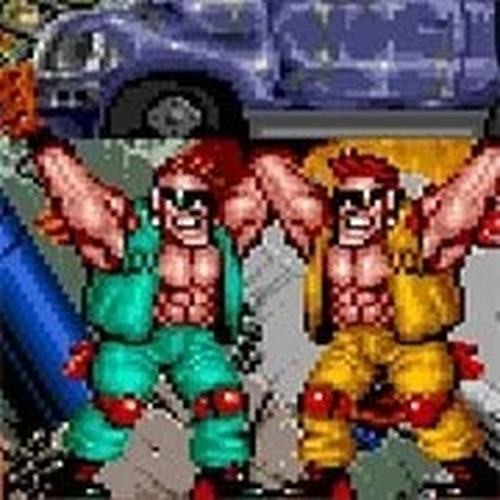
Urban Protector Retro Beat-Em-Up
Reviews
Urban Protector captures the essence of early 90s arcade beat-em-ups with tight two-player cooperation and a gritty city setting. The combat system is simple to learn but offers enough depth through special moves and enemy patterns to keep players engaged. The pixel art and chiptune soundtrack create an authentic retro atmosphere. Difficulty ramps up steadily, rewarding practice and teamwork. While the game is short, its replay value comes from mastering each character and perfecting cooperative strategies. A strong choice for fans of classic arcade action.
About This Game
Cooperative Street Clearing
Urban Protector is built around two-player teamwork. Each stage presents waves of opponents that require coordinated attacks and strategic positioning. One player can draw enemy attention while the other flanks from behind. The game rewards communication and timing, making it a great choice for friends looking for a shared challenge. Solo play is possible, but the cooperative mode truly brings out the depth of the combat system.
Combat Flow and Special Moves
Combat relies on a simple but effective control scheme. A joystick controls movement left and right across the screen, while attack buttons trigger punches and kicks. By pressing specific button combinations, players can unleash special moves that clear multiple enemies at once. Mastering these moves is essential for handling the tougher groups that appear in later stages. The game encourages players to learn each character's unique attack patterns.
Visual and Audio Atmosphere
The pixel art style captures the gritty feel of a city in decline. Broken windows, abandoned cars, and dark alleyways create a consistent visual theme. Character sprites are detailed enough to show distinct outfits and enemy types. The soundtrack uses energetic chiptune melodies that match the on-screen action, with tempo changes during boss encounters. Sound effects for punches and special moves add satisfying feedback to each hit.
Progression and Difficulty Curve
Stages increase in complexity as players advance. Early levels introduce basic enemy types with simple patterns, while later stages mix multiple enemy varieties and environmental hazards. Health items and temporary power-ups appear at key moments, encouraging players to explore the environment rather than just rushing forward. The final stage presents a significant challenge that tests everything learned throughout the game. Each completed stage brings a sense of accomplishment and a brief rest before the next wave.
Tips for New Players
New players should focus on learning enemy attack patterns before committing to aggressive moves. Watching the health bar and using health items only when necessary helps conserve resources for tougher sections. When facing groups, try to separate enemies by moving to one side of the screen. Special moves are powerful but leave the character vulnerable briefly, so use them when enemies are staggered. Practicing with a partner makes coordination easier and more fun.
Compatibility
System Requirements














































Comments
0 comments