Sound Garden for Young Musicians
Reviews
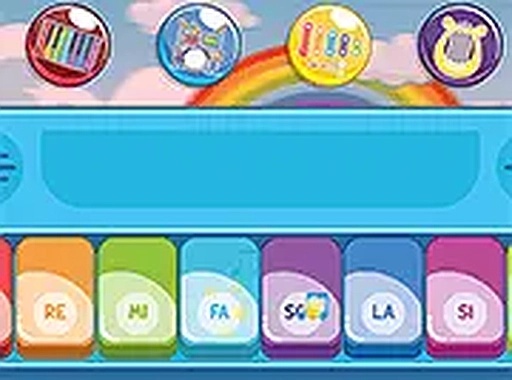
Sound Garden for Young Musicians succeeds by removing what usually defines a game: goals, scores, and failure. What remains is a browser-based space where children tap or click to produce notes and beats on piano, xylophone, harp, or drums. The ability to switch instruments freely encourages comparison and layering. Parents may appreciate the lack of downloads and accounts. The limitation is depth—this is a play space, not a structured music curriculum.
About This Game
Four Instruments, One Playground
Sound Garden for Young Musicians opens with a simple choice: piano, xylophone, harp, or drums. Each instrument produces a distinct sound character. The piano offers bright, clear notes. The xylophone adds a cheerful, percussive ring. The harp provides gentle plucked tones. The drums shift the experience toward rhythm rather than melody. Children can switch between instruments at any moment, which makes comparison a natural part of play. This constant access to different timbres encourages them to notice how the same action—a tap or click—produces different results depending on the instrument selected.
No Wrong Choices, No Pressure
Typical game stressors are absent here. There are no points to accumulate, no timers to beat, and no levels to clear. The interface responds to every tap or click with a sound, so children cannot make a mistake. That design choice changes the experience from a task to be completed into a space to be explored. A child might tap a single key repeatedly to hear the same note, or move quickly across several keys to create a run of sounds. Because there is no failure state, attention stays on listening and experimenting rather than on performance.
Built for Browsers and Touchscreens
The game runs directly in a web browser on desktop computers and mobile devices. No download, installation, or account creation is required. On tablets and phones, the touch-friendly interface responds to taps. On laptops and desktops, mouse and keyboard controls work naturally. This cross-device simplicity means a child can start playing almost immediately, whether at home or while traveling. The lack of setup steps also makes it easy for parents to hand over a device without managing software or logins.
How Musical Cause and Effect Emerges
Because the game removes rules and expectations, it creates room for self-directed musical discovery. Children learn cause and effect as they connect their actions to specific sounds. They can repeat favorite patterns to develop a sense of rhythm, or layer instruments by switching between them to build simple compositions. This open-ended approach supports confidence and a positive early relationship with music. The experience stays within a safe digital space with no external links or social features.
Editorial Notes
Compatibility
System Requirements







































Comments
0 comments