Tile Fusion Number Challenge
Reviews
Tile Fusion Number Challenge strips the merge puzzle down to its essentials: matching numbers on a grid with limited space. The lack of a timer encourages deliberate analysis, and the minimal interface keeps focus on the board. Sessions range from a few minutes to about fifteen, suiting short breaks. Players who enjoy quiet strategy and pattern recognition will find it rewarding, though those seeking fast action or complex scoring may want more. The gentle learning curve hides a satisfying depth that emerges as the grid fills.
About This Game
Merging Mechanics and Grid Pressure
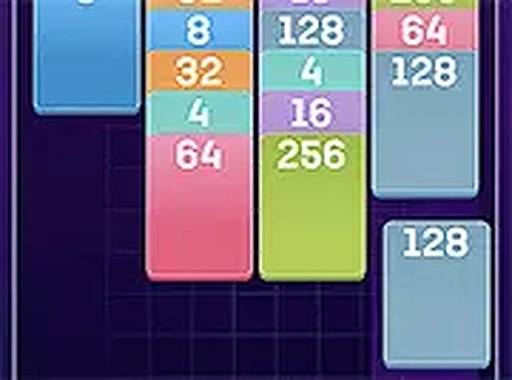
Tile Fusion Number Challenge places a grid of numbered tiles in front of you. Your task is to select two tiles that show the same number and merge them into a single tile with a higher value. Every successful merge frees one grid space but also introduces a new, larger number. The board only has so much room, so each decision affects what remains possible. If you merge carelessly, you may leave high-value tiles stranded with no matching partner, filling the grid and ending your run.
Planning Ahead on a Shrinking Board
The game rewards forward thinking rather than fast tapping. After each merge, the board changes, and you need to reassess which pairs are still available. Combining two tiles might create a number that blocks other matches, or it might open space for a better combination later. The starting layout varies, adding an element of chance, but careful pattern recognition can overcome most openings. Because there is no timer, you can study the grid and plan several moves ahead without pressure.
Minimal Interface and Clear Feedback
The interface keeps distractions to a minimum. Each tile displays its number clearly, and a smooth animation plays when tiles merge, giving immediate visual confirmation. The game adjusts to different screen sizes, so it works on a desktop monitor or a mobile device. A full-screen mode is available for players who want a larger view. This clean presentation helps you stay focused on the puzzle instead of navigating menus or reading instructions.
Session Length and Progression
A typical session lasts from a few minutes to around fifteen, depending on how long you can keep matching tiles. You can pause and resume at any time, which suits short breaks. The core concept takes seconds to understand, but reaching the highest tile values requires practice and strategic insight. Success is measured by the highest tile you create, and the game may also track total merges. As the board fills with larger numbers, fewer matching pairs remain, naturally increasing difficulty and encouraging repeated attempts to beat your personal best.
Editorial Notes
Compatibility
System Requirements
















































Comments
0 comments