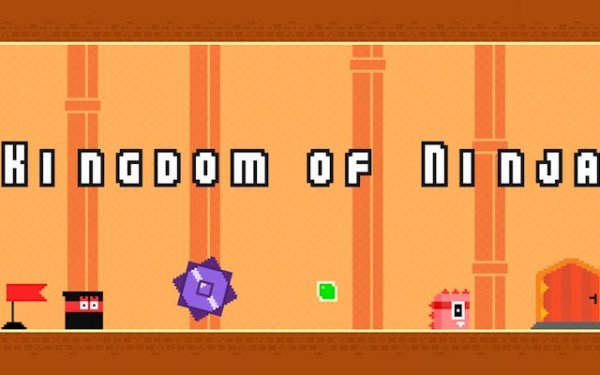
Stealth Dash Quest
Reviews
Stealth Dash Quest stands out from typical runners by rewarding observation over speed. Players study obstacle layouts, then commit to a jump, slide, or pause at the right moment. Short stages and a gradual difficulty curve keep failed attempts from feeling frustrating, and the simple control scheme works across keyboard and touch devices. The clean art style and gentle audio cues support the gameplay without distraction. It suits players who enjoy methodical, repetition-based mastery rather than frantic reaction tests.
About This Game
Reading Obstacles Before Moving
Stealth Dash Quest is a runner built around observation rather than raw speed. Each course arranges barriers, gaps, and moving elements in a specific pattern. Players watch how those pieces behave, then choose the right action: leap over a low wall, slide beneath an overhead beam, or hold position until a rotating hazard clears the path. The core skill is timing, not reaction speed, so a calm approach tends to work better than constant motion.
Stage Flow and Rising Difficulty
Stages are short enough to finish in a few minutes, which keeps failed attempts from feeling punishing. Early courses use simple gaps and stationary blocks, giving players room to build confidence with the controls. Later stages mix moving platforms with timed barriers, so a single mistimed input can end the run. Because each stage introduces new obstacle types gradually, the difficulty curve stays steady instead of spiking.
Controls Across Devices
On computers, keyboard keys handle jumping and left-right movement. Mobile versions use on-screen touch buttons for the same actions. Input registers immediately, so the character responds the moment a player commits to a jump or slide. This straightforward scheme makes the game approachable for younger players while still leaving room for experienced runners to chase cleaner clears.
Visual and Audio Feedback
A clean, colorful art style keeps attention on the obstacle layout. Backgrounds shift between stages, moving from forest paths to temple corridors, which adds variety without pulling focus from the action. Character animations stay smooth through jumps and slides. Gentle sound cues mark successful moves and collisions, giving players a clear signal about what went wrong on a failed attempt.
Learning Through Repetition
Progress depends on pattern recognition. Players who study an obstacle sequence before acting tend to advance faster than those who rush. Each failure is a chance to identify the exact moment that needs adjusting. That loop of observe, act, and reflect rewards methodical play and makes Stealth Dash Quest well suited to anyone who enjoys mastering a system through focused repetition.
Editorial Notes
Compatibility
System Requirements














































Comments
0 comments