Hidden Chamber Logic Adventure
Reviews
Hidden Chamber Logic Adventure focuses on careful observation and deductive reasoning across connected 3D chambers. The lack of time pressure and the availability of hints make it welcoming for newcomers, while self-contained puzzles and item combination offer enough substance for experienced players. The three-phase progression and environmental storytelling provide a steady sense of accomplishment. The main limitation is that the game is designed for desktop full-screen play, so it may not suit players seeking quick mobile sessions.
About This Game
Chamber Exploration and Clue Hunting
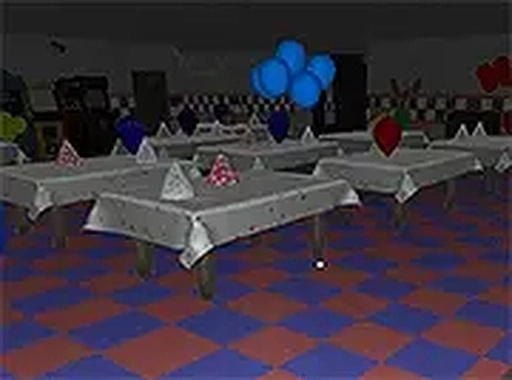
Hidden Chamber Logic Adventure places you inside a series of connected, fully three-dimensional rooms. Each chamber carries its own visual theme and a set of hidden objects. Clues sit in subtle spots—behind furniture, beneath loose floorboards—so you need to inspect surfaces from multiple angles. Progress depends on noticing small details, not on speed. The environment rewards players who sweep every corner and revisit rooms after finding new items.
Puzzle Design and Reasoning Flow
Challenges center on pattern recognition and deductive reasoning. Some puzzles ask you to combine items found in different rooms; others require decoding environmental hints. Each puzzle is self-contained but feeds into the overall progression. The difficulty curve stays gentle, which makes the game approachable for newcomers while still offering enough deduction to satisfy experienced puzzle fans. There is no time pressure, so you can think through each step at your own pace.
Controls, Interface, and Desktop Focus
Movement uses standard keyboard keys, and the mouse controls the camera view. The interface is minimal—no distracting menus or pop-ups. A simple inventory system shows collected items, and hints are available if you become stuck. The game is optimized for desktop screens and works best in full-screen mode, which enhances the immersive quality of the 3D graphics.
Three-Stage Progression and Storytelling
The adventure is divided into three major phases. Each phase introduces a new set of rooms and puzzle types. Completing a phase unlocks the next area, and the overall narrative is revealed gradually through notes and environmental storytelling. This structure gives a clear sense of accomplishment as you move from one stage to the next.
Editorial Notes
✅ Compatibility & Testing
System Requirements






































Comments
0 comments