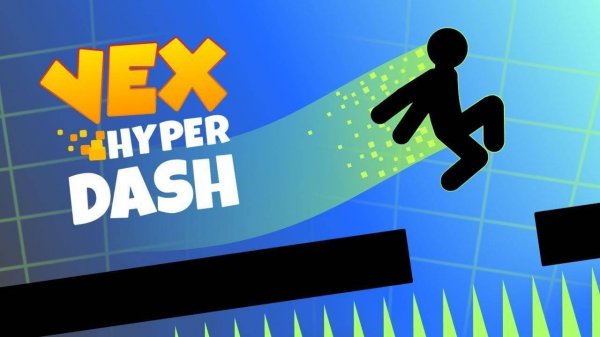
Quick Reflex Dash Runner
Reviews
Quick Reflex Dash Runner strips the endless runner down to a single decision: when to jump. That simplicity is its strength, because the difficulty comes from increasingly complex platform and obstacle arrangements rather than from complicated controls. Players who enjoy rhythm-based timing challenges and score chasing will get the most from it. The limitation is equally clear: there is no story, no level variety beyond the endless path, and no way to recover from a single mistake. It is a game about repetition and small improvements, not about reaching a destination.
About This Game
What the Game Asks of You
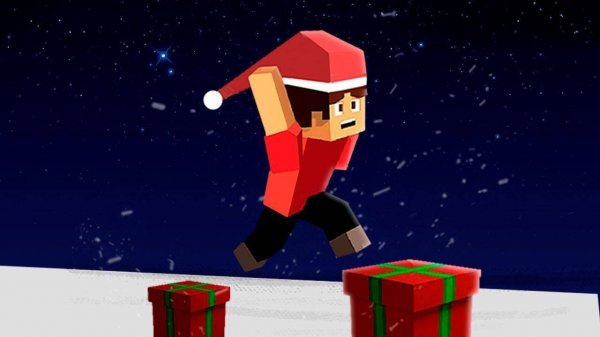
Quick Reflex Dash Runner is an endless runner-style platformer. The character moves forward automatically, so you never steer or slow down. Your only input is a tap or click that triggers a jump. Because the run ends the moment you hit an obstacle or miss a platform, every jump carries the same weight: clear it or start over.
Timing Over Speed
The challenge is not how fast you can react but when you commit to a jump. Jumping too early or too late sends you into a gap or an obstacle, so the game rewards reading the rhythm of what is coming rather than mashing the screen. Platforms and hazards grow more complex as a run continues, which means the same tap has to work for different distances and heights. You adjust each jump based on the next obstacle, not a fixed pattern.
How a Run Progresses
Each successful jump adds to your score, and the difficulty curve keeps climbing until you make a mistake. There are no levels to unlock or checkpoints to fall back on — the run is the whole session. That structure makes progress easy to measure: your high score is the clearest record of whether your timing is improving. Short sessions work because a single attempt can last seconds or minutes, and extended play works because the difficulty keeps rising.
Who This Suits
Players who enjoy reflex-driven games with simple controls will find the loop immediately readable. The input is one tap, but the demand is sustained attention and the willingness to retry after a failed run. It is not a game about exploration or story; it is about consistency under increasing pressure. Vibrant visuals and rhythmic obstacle placement support that focus by making the next hazard easy to read at a glance.
Editorial Notes
Compatibility
System Requirements




























Comments
0 comments