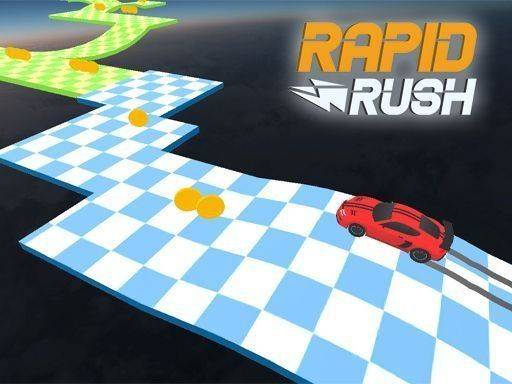
Quick Trail Infinite Dash
Reviews
Quick Trail Infinite Dash strips movement down to a single press-and-release input, then builds its challenge around procedural layouts that change every run. The result is a game about rhythm and adaptability rather than memorization. Token collection and cosmetic unlocks add a secondary goal without affecting balance. The bright, readable presentation makes it approachable for younger players, though the precision required may frustrate those expecting a purely casual experience. Best suited to players who enjoy short, repeatable skill-based sessions.
About This Game
A One-Button Movement System
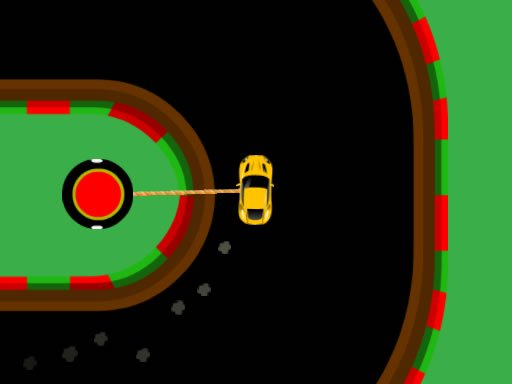
Quick Trail Infinite Dash builds its entire control scheme around a single input. Pressing the button shifts the character away from the default path, and letting go snaps them back. That is the whole vocabulary of movement. The challenge comes from reading the upcoming layout and deciding exactly when to hold and when to release. Because the action is binary, mistakes are rarely about complex inputs; they are about timing. A press held a fraction too long or released a moment early can send the character into a wall or past a token. The game asks players to internalize a rhythm rather than memorize a sequence.
Procedural Layouts and Adaptability
Every session opens with a freshly generated course. No two runs share the same arrangement of turns, gaps, or token placements. This design choice forces players to react to what is actually on screen instead of relying on muscle memory from a previous attempt. Adaptability becomes the core skill: the same button press that worked on one layout may fail on the next. Regular players learn to scan ahead, identify tight sections, and adjust their timing on the fly. The procedural system also keeps the game from becoming predictable, which supports repeated short sessions.
Tokens and Cosmetic Unlocks
Tokens are scattered along the route, and collecting them feeds a simple currency system. That currency unlocks different character appearances and vehicle options. The rewards are cosmetic, so they do not change how the game plays or create a power gap between new and experienced players. The token economy gives each run a secondary goal beyond survival. Players who focus only on distance may skip tokens, while those chasing unlocks will take slightly riskier lines to sweep them up. That tension between safe routing and collection adds a layer of decision-making to an otherwise minimal control scheme.
Bright Presentation and Clear Readability
The visual style stays bright and welcoming, with cheerful colors and smooth animation. That palette is not just decorative; it keeps the action readable. Because the character and obstacles stand out clearly against the background, players can track their position and plan their next press without visual noise. The game avoids dark or intense themes, which makes it suitable for younger players and family settings. The clean art direction also means the procedural layouts remain legible even when the screen gets busy.
Skill Growth Through Repetition
Improvement in Quick Trail Infinite Dash comes from practice, not from unlocking advantages. Coordination and responsiveness develop naturally as players log more runs. Holding and releasing become more deliberate, and tight sections that once felt impossible start to feel manageable. The scoring system rewards patience and consistency rather than raw speed, so players who rush tend to fail earlier than those who stay calm. Longer distances and higher scores follow from better timing, not from grinding for upgrades.
Editorial Notes
Compatibility
System Requirements





























Comments
0 comments