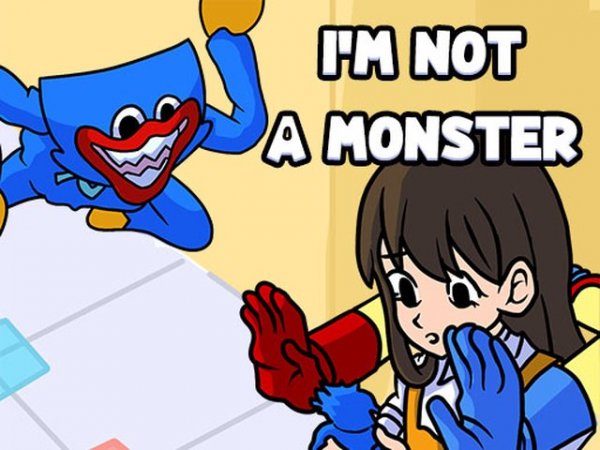
Logic Team: Puzzle Cooperation
Reviews
Logic Team: Puzzle Cooperation targets players who value discussion and planning over fast reactions. Its core strength is the requirement that each character's distinct traits be used in coordination with teammates, making communication essential. The variety of 2D environments, from remote facilities to damaged urban areas, supports replayability. Character customization adds a sense of ownership. The main limitation is that the input does not specify solo options or difficulty scaling, so it may not suit those seeking a single-player puzzle experience.
About This Game
Team-Based Puzzle Solving
Logic Team: Puzzle Cooperation is built around a simple premise: no single player can solve a mission alone. Each participant controls a character with distinct traits, and those abilities are designed to complement one another. Success depends on recognizing which player should act, when, and in what order. The game rewards careful observation over fast reactions, making it a deliberate, discussion-heavy experience rather than a reflex test.
Communication and Coordination
Because puzzles require synchronized actions, talking with your team is not optional. Players must discuss strategies before acting, share what they observe, and adjust when a plan fails. The game presents scenarios where a direct approach may not work, forcing teams to evaluate alternatives together. This emphasis on mutual support means individual achievement matters less than group success.
Environments and Progression
Missions take place across a range of 2D settings, from remote facilities to damaged urban areas. Each location introduces different obstacles that require fresh planning rather than recycled solutions. As players advance, they can unlock customization options to personalize their character's appearance, adding a sense of ownership to the experience. The variety of settings helps keep missions from feeling repetitive.
Controls and Accessibility
Players use a mouse and keyboard to move their character and interact with the game world. Basic controls are intuitive, so new players can quickly understand how to navigate and interact. The challenge comes from the puzzles themselves, not from mastering complex inputs. This makes the game approachable for those who prefer thinking through problems with others.
Editorial Notes
Compatibility
System Requirements




































Comments
0 comments