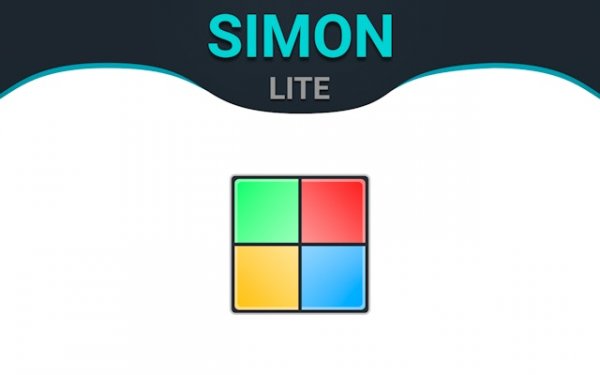
Simon Lite Memory Challenge
Reviews
Simon Lite Memory Challenge strips the classic repeat-the-pattern formula down to its essentials: four buttons, distinct tones, and a sequence that grows by one step each round. The dual visual-audio cues give players two ways to encode information, which adds depth without complicating the rules. It suits anyone wanting a quick mental workout, from children to adults. The main limitation is inherent to the genre—runs end abruptly on a single mistake, which may frustrate some players.
About This Game
How the Sequence Works
Simon Lite Memory Challenge presents four colored buttons, each paired with a distinct sound. The game plays a growing sequence by lighting and sounding these buttons one at a time. Your task is to reproduce the exact order by clicking or tapping. A correct repetition advances you to the next round, where the sequence gains one additional step. One wrong tap ends the run, so every input matters.
Audio as a Memory Aid
Music and sound effects are not decoration here. Each color carries its own tone, giving you two channels to encode the pattern: visual and auditory. Players who link a color to its pitch often recall longer strings than those relying on sight alone. The clean interface keeps those cues prominent, with no clutter competing for attention.
Progression and Session Length
Difficulty scales automatically. The first few rounds are short enough to learn the button layout, then each success extends the sequence. Because there are no levels to unlock or timers to beat, a session can last one minute or twenty. That structure suits quick mental breaks as well as longer practice, and the game remains accessible to any age group without prior experience.
Practical Tips for Longer Runs
Focus on the opening steps first; they anchor the rest of the pattern. Group longer sequences into smaller chunks mentally, and use the tones to build associations between color and position. Reducing background noise helps if you rely on audio cues. After a mistake, restarting immediately often produces better results than pushing through frustration.
Editorial Notes
Compatibility
System Requirements




































Comments
0 comments